

Replacing Gas and Electric Appliances? Why Dual Licensing Matters
5 November 2026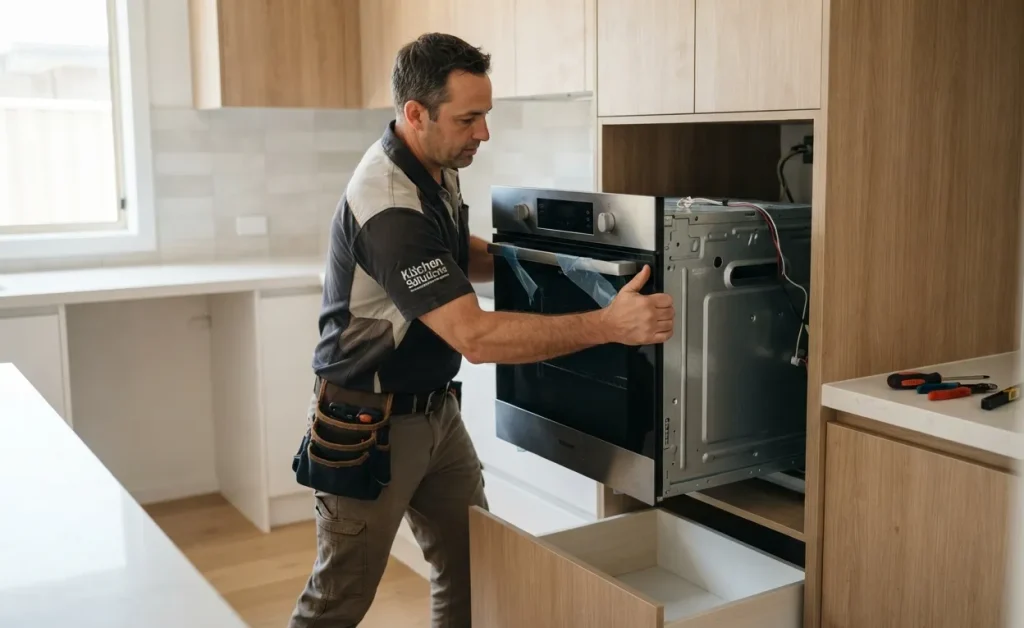
Book a dual-licensed appliance installer Melbourne homeowners can use for gas, electric and dual-fuel kitchen appliance replacements.
Replacing a kitchen appliance is not always a straight swap. If the job affects both gas and fixed electrical connections, we can coordinate the work through technicians licensed in both areas, reducing the need to arrange separate trades.
When Does an Appliance Replacement Need Gas and Electrical Licensing?
The licences required depend on the appliance, the existing services and what must change during replacement. In Victoria, gas fitting work must be completed by an appropriately licensed gasfitter, while electrical installation work must be carried out by an appropriately licensed electrical professional.
Common replacement scenarios include:
- Gas cooktop to induction: The gas supply may need to be disconnected and made safe, while the new induction cooktop may require electrical assessment and connection.
- Dual-fuel cooker replacement: Both gas and electrical connections need to be assessed for the replacement appliance.
- Electric cooktop to gas: Gasfitting is required for the gas connection, while electrical work may also be necessary if the existing fixed wiring must be altered.
- Gas cooktop to gas cooktop: Gas licensing applies to the gas connection. Electrical work is only relevant if the appliance or existing connection requires authorised electrical work.
- Hardwired electric replacement: Electrical licensing is required for fixed electrical installation work, but gas licensing is not relevant when no gas work is involved.
Our recent dual-fuel cooking appliance installation guide explains how we coordinate appliances that use both fuel types.
What We Check Before Installation
As a dual-licensed appliance installer Melbourne households can book for suitable kitchen work, we assess more than the appliance width. Before installation, we need to understand the proposed model, current appliance, available services and installation space.
We may check:
- Brand and model: Supplying the exact model lets us review the appliance specifications before attending.
- Fuel type: Confirm whether the appliance uses natural gas, LPG, electricity or a combination.
- Electrical requirements: The circuit, outlet, isolation arrangement or switchboard may affect whether the new appliance can be connected as planned.
- Dimensions and access: The appliance needs to suit the cabinet opening, benchtop cut-out and route into the kitchen.
- Clearances and ventilation: Installation must follow the applicable appliance instructions and site requirements.
- Current setup: Photos of the existing appliance and connections can help us identify obvious issues before the appointment.
What Documentation Should You Expect?
Licensing is not just about completing the physical connection. Victorian requirements also apply to documentation for regulated work. Energy Safe Victoria’s tradesperson guidance advises homeowners to use appropriately licensed tradespeople, obtain a Certificate of Electrical Safety for electrical installation work and use a licensed gasfitter for gas work.
The exact documentation depends on the work completed. We can explain what applies to your installation once the appliance and existing setup have been assessed.
Book a Dual-Licensed Appliance Installation in Melbourne
Master Tech installs and services gas, electric and dual-fuel kitchen appliances across metropolitan Melbourne. Because our technicians hold gas and electrical licences, we can assess suitable replacement jobs across both connection types instead of treating each side of the installation in isolation.
Before buying a replacement solely on appearance or dimensions, send us the model details and information about your current appliance. Book an appliance installation with us and we can assess the requirements, identify potential obstacles and organise the appropriate installation work.